- December 27, 2025
FIFA World Cup 2026: When Global Fandom Meets the Experience Economy
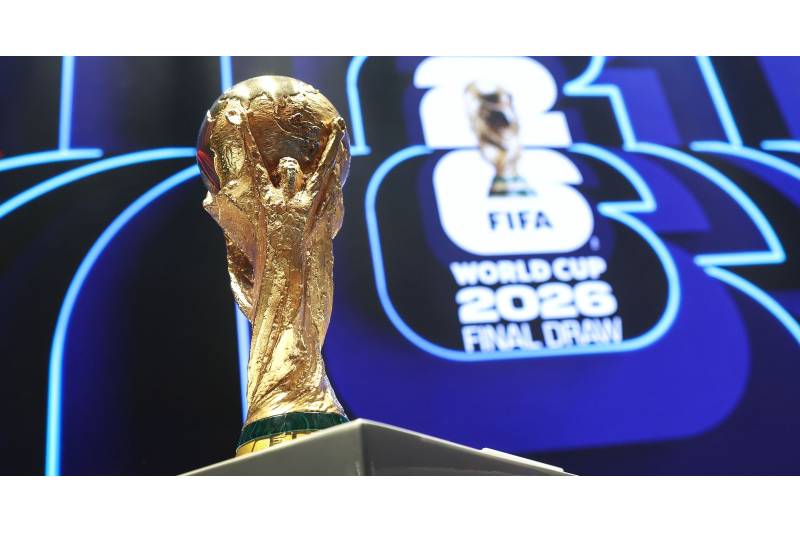
Even before the first whistle blows, the 2026 FIFA World Cup is already reshaping how fans engage with sports, travel, and spending. Set to take place from June 11 to July 19, 2026, the tournament will be the largest in FIFA history, featuring 48 teams and 104 matches across the United States, Canada, and Mexico.
Football has always been more than just a sport—it’s a shared global culture. But the upcoming World Cup highlights a growing shift: fandom is no longer limited to watching matches. It has evolved into a full-scale experience economy, where access, convenience, and exclusivity matter as much as the game itself.
Ticketing Becomes a High-Demand Digital Marketplace
Demand for World Cup tickets has surged dramatically. FIFA’s initial random-selection sales phase has already attracted tens of millions of ticket requests, underscoring the event’s massive global appeal. To make attendance more accessible, FIFA introduced a fixed-price supporter ticket tier starting at around $60, targeted at fans of qualified national teams through official supporter channels.
However, most tickets fall under dynamic pricing, where costs fluctuate based on demand, match importance, and seating category. As a result, premium matches—especially knockout rounds and the final—can reach four-figure prices, making ticket purchasing resemble a high-stakes digital product launch rather than a traditional sporting sale.
Hospitality Packages and Premium Access
For fans seeking more than a standard seat, official hospitality offerings bundle tickets with luxury lounges, curated food and beverage service, and concierge-style support. These packages range from shared premium spaces to fully customized private suites, turning match attendance into a curated lifestyle experience.
Private suites, in particular, cater to corporate groups and high-net-worth fans, offering privacy, comfort, and premium viewing—all while avoiding the typical stadium crowds.
Travel-Driven Fandom
With matches spread across 16 host cities in three countries, following a team or attending multiple games requires strategic travel planning. Some fans opt for venue-based packages that allow attendance at several matches in one stadium, while others choose “follow my team” options that combine group-stage and knockout matches regardless of location.
This format transforms fandom into a logistics-driven experience, blending sports enthusiasm with travel coordination, accommodation planning, and tight schedules.
The Rise of Alternative World Cup Experiences
Not every fan will attend matches in person—and many are choosing to bring the World Cup experience home. High-end home viewing setups, complete with large-scale projection, immersive sound systems, smart lighting, and themed watch parties, are becoming a popular alternative to stadium attendance.
Meanwhile, luxury short-term rentals near host cities are being transformed into private fan hubs, complete with catering, entertainment spaces, and match-day hosting.
Memorabilia as Cultural Assets
At the highest end of the spectrum, World Cup fandom extends into collectibles and memorabilia. Match-worn jerseys, signed items, and historic artifacts are increasingly viewed as long-term cultural and financial assets rather than simple merchandise, reflecting the growing crossover between sports, investment, and legacy ownership.
A Tournament That Redefines Modern Sports Consumption
The 2026 FIFA World Cup will still be about goals, drama, and unforgettable moments—but it will also serve as a case study in modern commerce. From tiered ticketing and premium hospitality to travel ecosystems and digital demand curves, the tournament shows how global sporting events now operate at the intersection of entertainment, technology, and consumer experience.
As anticipation builds, fans are faced with choices: attend in person, invest in premium access, or create unforgettable experiences at home. In every form, the World Cup continues to prove that football isn’t just watched—it’s lived.