- October 9, 2025
Growing Attention of Iranian Users to the Religious Instagram Page “Rozeh Khati”
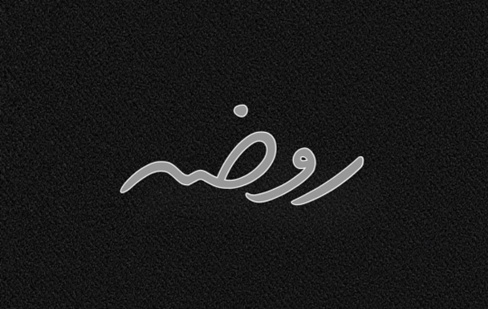
In recent months, the Instagram page Rozeh Khati has become one of the most-followed religious platforms in Iran’s online space.
Focusing on devotional storytelling, the pilgrimage to Karbala, and the promotion of Ashura culture, the page has attracted more than two million followers and earned a special place among both religious users and the broader social media audience.
According to media analysts, Rozeh Khati began its activity in 2018 and, over the past few years, has gradually evolved from a small religious page into an influential platform for online faith-based content.
While the administrators have chosen not to reveal their personal identities, the page is recognized for its unique narrative style — combining emotional imagery with concise and heartfelt captions.
During its recent campaign held for Arbaeen, thousands of Iranian and non-Iranian users participated across social networks using hashtags associated with Rozeh Khati.
The campaign invited users to share their personal reflections from the Arbaeen pilgrimage or their spiritual memories related to Karbala, aiming to revisit the human and ethical dimensions of Imam Hussein’s uprising.
Analytical data indicates that this initiative led to a 30 percent growth in followers within just one month.
Iranian cultural and religious media outlets have described Rozeh Khati as a successful example of “adapting traditional rituals to modern technologies.”
Experts believe that the page has built a bridge between traditional religious content and digital language — making spiritual concepts, particularly those related to Imam Hussein (peace be upon him), more relatable for younger generations and social media users.
On a broader social level, media scholars suggest that Rozeh Khati reflects a new trend within Iran’s religious community — one in which faith and devotion are being reinterpreted not through sermons or formal ceremonies, but within an open, multimedia communication space.
For many observers, this represents a shift in the expression of religiosity and the redefinition of spirituality in the digital age.
Despite the page’s calm and apolitical tone, some critics have cautioned against an overemphasis on emotional expression in religious narratives, urging greater attention to the historical and analytical aspects of faith.
Nevertheless, most followers of Rozeh Khati say its emotional and artistic approach is precisely what draws them to it.
Through weekly live sessions and short visual posts, Rozeh Khati also facilitates conversations among young clerics, cultural activists, and religious artists.
These discussions often explore themes such as love for Imam Hussein (peace be upon him), the Arbaeen pilgrimage, and the role of art in conveying the message of Ashura.
Such content has turned the page into not just a religious media outlet, but an online community of devotees where solidarity, empathy, and faith identity are redefined in a contemporary form.
Ultimately, observers regard Rozeh Khati as an example of the transformation of religious communication in the digital world — a platform that, while remaining faithful to its spiritual roots, demonstrates how traditional concepts can remain inspiring, widely followed, and impactful in the age of technology.
Instagram: https://www.instagram.com/rozeh___/
Disclaimer: This is a sponsored piece of content. Open The News journalists or editorial staff were not involved in the production or writing of this content.