- January 17, 2026
Office Space in a Hybrid Work Era: What Businesses Should Know Before Leasing
Talk to anyone trying to find office space right now and you’ll hear the same thing. It’s confusing out there. Like genuinely confusing. The rules that worked five years ago? Toss them. The formulas your dad’s company used? Not helpful anymore. Everything about how businesses think about where they work has gotten flipped around and honestly nobody has it all figured out yet.
Here’s what happened though. Hybrid work became a thing. And not just a temporary thing – like 77% of companies run some version of it now according to most surveys. Give or take. Point being, tons of people split their week between home and an office. Which sounds simple enough until you try to figure out how much space your company actually needs. Then it gets messy.
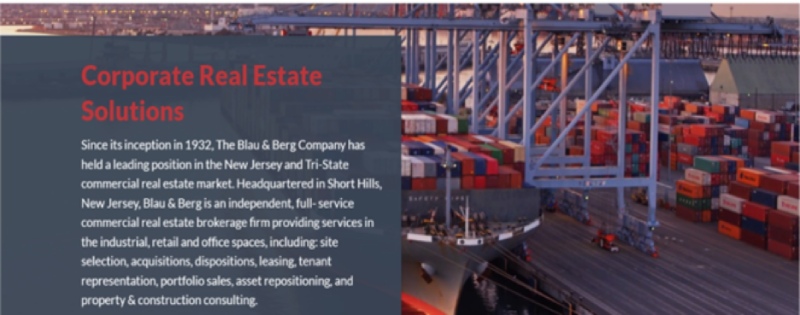
The Blau & Berg Company over in Short Hills has been watching this whole situation unfold. They’ve done commercial real estate in New Jersey since 1932 which is kind of wild to think about. Their brokers have seen markets go up and down plenty of times but this shift feels different to a lot of them. It’s not cyclical. It’s structural. Whatever that means for the next decade, nobody’s totally sure.
The Math Just Stopped Making Sense
Used to be pretty straightforward right? Fifty employees means fifty desks. Add some conference rooms and a kitchen and you’re done. Sign the lease for the office space and move in. But now half those desks sit empty on any given Tuesday because people are working from their kitchen tables in sweatpants. And you’re still paying rent on all that square footage. Every month. Whether anyone uses it or not.
The average is something like 27% of work happening at home now. That’s more than one day a week of empty office space just sitting there. Costing money. Gathering dust. Some CFO somewhere is definitely losing sleep over those numbers.
But wait – and this is the part that trips people up – offices aren’t going away either. You still need somewhere for the new hire orientation. For the quarterly planning sessions. For when the team actually needs to hash something out on a whiteboard instead of staring at tiny Zoom squares. The office matters. It just matters differently now.
Mistakes People Keep Making With Office Space
Spent enough time around commercial real estate folks and you start hearing the same horror stories. Companies that got it wrong. Sometimes badly wrong. The patterns are pretty predictable actually.
1. Way Too Much Square Footage
This one happens all the time. Company signs for office space thinking they’ll grow into it or whatever. Maybe they will! But then three years in they’ve got a whole floor that’s basically a ghost town most days. Paying Manhattan prices – or Jersey City prices or wherever – for space that nobody uses. Brutal way to burn through a budget.
Smart move is figuring out your busiest day. Like actually tracking it. If Wednesday is when everyone shows up, size your office space for that Wednesday crowd. Not for some imaginary future where everybody’s in the building all week. That future probably isn’t coming.
2. Those Crazy Long Lease Terms
Ten year leases on office space made sense when nothing ever changed. But things change now. Fast. The company that signs a decade-long commitment in 2026 is basically betting they know what they’ll need in 2036. Spoiler alert – they don’t. Nobody does. Five to seven years has become more normal. Some businesses want even shorter which landlords hate but sometimes agree to anyway.
3. Skimming the Actual Lease Document
Commercial leases are long. Really long. Full of words like hereinafter and notwithstanding. So people skim. Bad idea. There’s always something buried in there – maybe rents that jump 4% every year, maybe restrictions on subleasing, maybe weird clauses about who pays for what. One business owner told me he didn’t realize he was on the hook for building repairs until he got a bill for the new roof. Thousands of dollars. It was all in the lease. He just didn’t read it carefully.
What Actually Matters When Looking These Days
Alright so if the old rules don’t work anymore what should companies actually care about when choosing office space? The list has changed a lot honestly. Some things that used to be nice-to-haves are now must-haves. And vice versa.
a. Rooms That Can Do Different Things
The best office space now can kind of shapeshift. Big all-hands meeting on Monday? Open everything up. People need quiet focus time on Thursday? Break it into smaller pods somehow. Moveable walls sound gimmicky but they’re actually useful for hybrid teams. When your headcount swings between 30% and 80% depending on the day you need that flexibility.
b. Tech That Actually Works
Half the team is dialing in from home most days now. So you’re doing a lot of video calls. A lot. Nothing kills a meeting faster than garbage WiFi or that one conference room where nobody can ever hear anything. The office space needs real tech infrastructure. Good bandwidth. Actual video conferencing setups that work. Maybe booking systems so people aren’t fighting over rooms. Basic stuff but plenty of buildings still don’t have it together.
c. Location – But Think About It Fresh
Location obviously still matters but the thinking has shifted. Some companies are bailing on expensive downtown addresses and setting up office space closer to where employees actually live. Others are doing the opposite – picking prime spots because if people only come in twice a week, make those days count. Give them somewhere worth the commute.
And parking became a bigger deal weirdly enough. If someone only drives to the office occasionally they’re more likely to actually drive instead of taking transit. So parking matters more than it used to. Depends on your team though. Every company is different.
Getting Better Deals on Leases Right Now
Here’s something a lot of businesses don’t realize. The office space market right now? It actually favors tenants in a lot of places. Vacancy rates went up. Landlords got nervous. They want those spaces filled. Which means you’ve got more leverage than you might think.
First thing – know what similar spaces cost in your area. Actually do the homework. Or work with a broker who knows. The Blau & Berg Company tracks the New Jersey and Tri-State markets obsessively. Their people know what rents should look like versus what landlords initially ask for. There’s usually a gap you can close.
Little trick not everyone knows – rent-free periods. For every year of a lease you can typically get at least one month free. So a five-year lease? Push for five months free upfront. That adds up fast. Landlords expect the ask. You just have to actually make it.
Other stuff worth negotiating: expansion rights if you grow, contraction rights if you shrink, permission to sublease if things change. The more flexibility baked into the lease the less stuck you’ll feel three years from now when everything is different again. And it will be different.
What About Flexible Workspace Options
Coworking spaces and serviced offices blew up over the past few years. Like really blew up. Something like 55% of bigger companies use flex space now in some form. Not just startups anymore. Real companies with real employees decided this model makes sense for them.
Why? Lower risk mostly. No ten-year commitment hanging over your head. Someone else deals with the furniture and the coffee machine and the broken toilet. You just show up and work. For businesses that aren’t sure what they’ll need in two years that’s pretty appealing.
Some companies do a mix now. Small traditional office space for the core team. Then flex space for satellite groups or project overflow. Best of both worlds maybe. Stability where you need it and flexibility everywhere else. The flex market is supposed to nearly double by 2030 so clearly lots of businesses are voting this direction.
Quality Became Non-Negotiable Somehow
Weird thing happened to the market. It split in two. Nice Class A buildings with modern everything? They’re fine. Good occupancy. Stable rents. But older buildings that haven’t been updated since the Clinton administration? Struggling hard. Vacancies through the roof. Some getting torn down or converted to apartments.
Here’s why that matters if you’re looking for office space. Workers have options now. They can just stay home if they want. So the office better be worth the trip. A depressing building with bad lighting and sad carpet isn’t going to cut it anymore. People will vote with their feet and those feet will walk right back to their home offices.
Good news though – with vacancies up in older buildings, quality office space actually got more affordable in some markets. Landlords are throwing in incentives. Tenant improvement money. Rent discounts. It’s a strange moment where you might get nicer digs for roughly the same price. Just have to look around and know where to find it.
Questions That Come Up Over and Over
Same questions keep popping up from companies trying to figure this out. Makes sense – everyone’s confused. Quick answers to the common ones.
How much space does a hybrid team need? Depends on your peak day not your total headcount. If 60% is the max that ever shows up, size for that 60%. Old rule was 200 square feet per person. Now more like 120 to 180. Varies wildly based on what you actually do though.
Should we wait to sign anything? Hard call. Rents stabilized in lots of places. But good office space gets snapped up quick when it hits the market. Waiting too long means missing out on the best options. But rushing into bad deals is worse than waiting. Real helpful advice I know.
Can we sublease if we end up with extra space? Maybe. Depends entirely on what your lease says. Some landlords have to approve subtenants. Others block it completely. If you think you might need this escape hatch negotiate for it upfront. Way easier than asking permission later.
Having the Right People Helping
Finding office space isn’t like apartment hunting. Stakes are way higher. Contracts are way more complicated. Costs add up way faster. Having someone who actually knows what they’re doing makes a real difference. Commercial office space deals can make or break a company’s budget for years.
The Blau & Berg Company has been doing this since 1932. Started with a guy collecting rent door-to-door which is kind of a great origin story. Now their brokers average over twenty years of experience each. They know New Jersey commercial real estate cold. The broader Tri-State area too.
What makes them different? They do tenant representation – meaning they work for you not the building owner. Matters more than you’d think. The listing broker represents the landlord. Having your own person levels the playing field when you’re negotiating terms.
Where This All Leaves Things
Hybrid work isn’t going anywhere at this point. We can probably say that with some confidence now. How people work changed and office space has to change with it. Not disappear. Just evolve into something different.
The companies that get this right will be the ones staying flexible. Not locking into deals that made sense in 2019 but feel like anchors now. Thinking hard about what they actually need versus what they think they’re supposed to have.
Finding the right space takes time. Takes thought. Takes working with people who’ve been through this before. There are more options out there than ever really. You just need to know where to look and what questions to ask. And maybe some help from folks who’ve done this a few thousand times.
Frequently Asked Questions
1. What is hybrid work and how does it change office space needs?
Hybrid work means splitting time between office and home. Around 77% of companies do some version now. Impact on office space is pretty direct – if people aren’t there every day you don’t need a desk for everyone. Most businesses can manage with less square footage but that space has to work harder when folks actually show up.
2. How much office space does a hybrid team actually need?
Figure out your busiest day first. If 70% is the max that shows up at once, plan for that 70%. Old standard was 200 square feet per person but that’s dropped to maybe 120-180 now. Varies a ton based on what kind of work happens and how much spreading out people need to do.
3. Are long-term leases still smart in the hybrid era?
Longer leases usually mean lower rent since landlords like the security. But you’re betting your needs won’t change much over five or ten years. Lots of companies going shorter now. Key is building flexibility into the office space lease – termination clauses, expansion options, that kind of thing. Get stability without being completely trapped.
4. What lease terms should businesses push for right now?
Rent-free periods are big – roughly one month free per year of the lease. Also expansion and contraction rights. Sublease permissions. Caps on operating expense increases. Watch out for personal guarantees if you can avoid them. Market favors tenants right now in lots of places so don’t be shy about asking.
5. Is flexible workspace worth considering instead of traditional office space?
For some businesses absolutely. Coworking and serviced offices mean lower upfront costs and way less commitment. Good for startups or anyone unsure what they’ll need soon. Some bigger companies use a mix – small traditional space plus flex for satellite teams. Main downside is less control and usually higher costs per square foot long-term.
6. Why does quality office space matter more now than before?
People have options now. They can work from home whenever. So the office has to offer something home doesn’t. Nice buildings with good amenities are doing fine. Older crummier buildings are struggling with high vacancies. If the office feels like a punishment people just won’t come in. Simple as that.
7. How can a commercial real estate broker actually help?
Good brokers know stuff you don’t. What office space actually rents for versus asking price. Which landlords desperately need deals. What clauses are negotiable. Firms like The Blau & Berg Company have been doing this for over 90 years in the Tri-State area. Having someone like that means better terms and avoiding expensive mistakes.