- June 18, 2025
Who’s Really Behind Tourism Megaprojects? And Why Developers Rely on Them
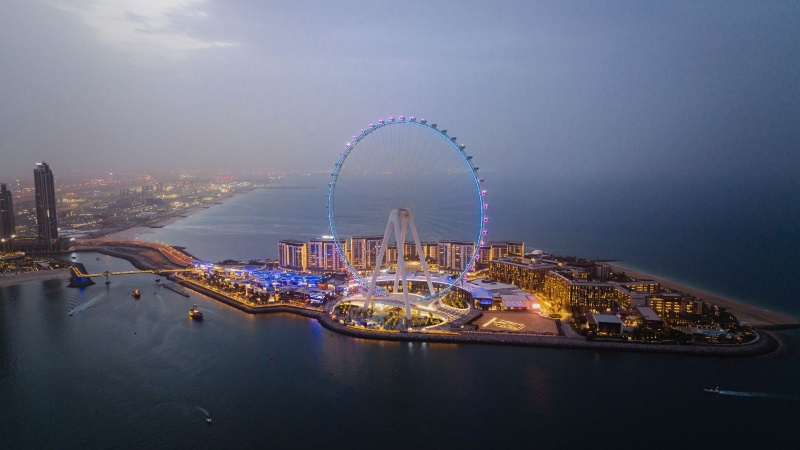
Tourism-focused megaprojects are at the heart of national development strategies across the GCC. As countries pivot toward sustainable, experience-driven economies, the scale and ambition of new tourism destinations demand meticulous commercial planning and programme control.
While architectural icons and hospitality operators may steal the spotlight, the real enablers behind these transformative projects are the cost consultants and project managers working behind the scenes. Their role is pivotal from financial viability and infrastructure phasing to stakeholder coordination and sustainability benchmarking.
This article explores why developers, governments, and investment consortiums rely on these specialists to turn vision into value.
Cost Managers
Tourism megaprojects are high-stakes ventures with long investment horizons and public-private financing models. From early feasibility to operational phase modelling, cost consultants safeguard the financial backbone of these developments.
1. Investment Modelling and Cash Flow Staging
- Building financial models aligned with investor returns, funding tranches, and public-sector incentives.
- Phasing infrastructure and hospitality zones in line with projected revenue curves.
2. Sustainability and Operational Efficiency Planning
- Assessing the cost implications of LEED or Estidama certification goals.
- Benchmarking high-efficiency building systems and guest-facing technologies (e.g. smart mobility, solar, low-water landscapes).
3. Infrastructure and Access Economics
- Cost planning for roads, mobility systems, and energy infrastructure needed to support new destinations.
- Providing value engineering strategies to reduce lifecycle costs without compromising guest experience.
Project Managers
Project managers are responsible for stitching together design ambition with delivery realism. In tourism megaprojects, that means integrating hospitality, leisure, transport, and cultural infrastructure into one coordinated masterplan.
1. Masterplan Delivery Sequencing
- Prioritising critical infrastructure to unlock early commercial operations.
- Aligning design timelines across diverse asset classes (hotels, museums, theme parks, marinas).
2. Cross-Sector Stakeholder Alignment
- Coordinating between tourism authorities, hospitality operators, environmental regulators, and infrastructure ministries.
- Implementing interface and change management protocols that minimise delays.
3. Quality and Brand Standard Integration
- Managing international design and delivery teams to maintain quality and operator brand standards.
- Creating inspection regimes and commissioning strategies that satisfy global hospitality benchmarks.
Why Developers Trust These Roles
Global tourism developers, from Qiddiya to Red Sea Global share a common operational priority: certainty of delivery.
Cost managers provide the commercial insight needed to make capital allocation decisions with confidence. Project managers deliver the execution discipline required to keep vision, programme, and stakeholder expectations in alignment.
Together, these roles de-risk large-scale investment and ensure that the world’s most ambitious tourism destinations are not only visionary, but viable.
Conclusion
Tourism megaprojects are the flagships of national identity and economic transition. But turning vision into reality requires more than bold masterplans, it needs grounded cost planning and structured delivery.
Stonehaven supports this evolution by guiding investors and governments through the complexities of scale, risk, and long-term performance ensuring world-class destinations are built to endure.